Feel Free.
Children's Physiotherapy and Rehab
Your child's recovery powered by Physio Action
Children Are Mini Adults, Right?
Children aren’t just small adults - their bones, joints and growth plates behave differently, and an injury or ache that would be straightforward in an adult often needs a completely different approach in a growing child. Our specialist children’s physiotherapist treats babies, children and teenagers across the full range of musculoskeletal conditions, whether they’re congenital, developmental, or the result of an injury.
We take a hands-on, play-based approach that keeps children engaged while they rebuild strength, mobility and confidence, and we work closely with parents and carers throughout - explaining what’s going on, why, and what to do about it. Where a child needs specialist input beyond physiotherapy, we have strong links with the Harrogate District Foundation Trust and local paediatric consultants for onward referral.
Children’s Sports Injuries
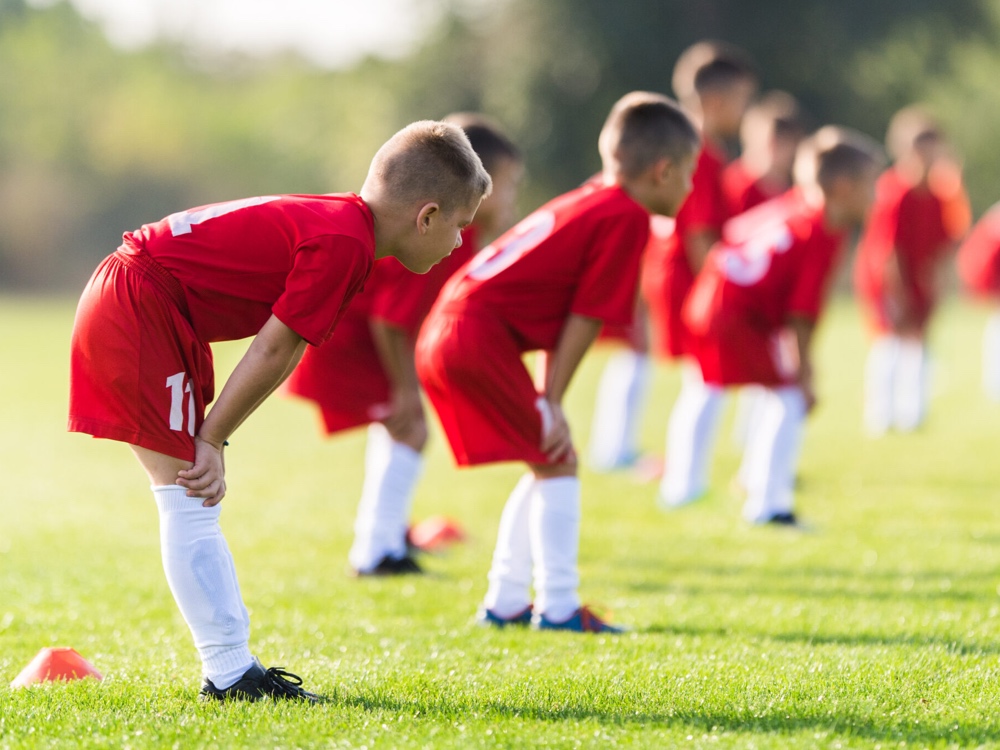
Active kids place different demands on growing bodies than adult athletes - growth plates are more vulnerable to overuse than muscles or tendons, and training loads that would be fine for an adult can cause problems in a still-developing joint. Our physiotherapists are registered Kids Back 2 Sport practitioners, a post-graduate qualification specifically in assessing and rehabilitating active children, so you can be confident your child is being guided back to sport safely - not just treated until the pain settles.
We work with clubs and governing bodies including British Gymnastics, Yorkshire RFU and Leeds Gymnastics Club, and see everything from acute sports injuries to the overuse and growth-related conditions that are common in young athletes training regularly.
Children's Conditions We Treat
- General joint pain and injuries, including rehabilitation after a fracture or dislocation
- Growth-related knee pain, including Osgood-Schlatter’s and Sinding-Larsen-Johansson syndrome
- Sever’s disease and other growth-plate-related heel and ankle pain
- Shin splints, hip pain, and back or neck pain (including stress fractures)
- Joint hypermobility and sports injuries
- Postural problems and abnormal walking or running patterns
- Scoliosis, and long-term conditions such as juvenile idiopathic arthritis (JIA) and Perthes disease
- Developmental assessment - crawling, walking, balance, coordination and posture, plus torticollis, plagiocephaly and delayed milestones
We also see rarer conditions including slipped capital femoral epiphysis (SCFE), joint hypermobility syndromes, Erb’s palsy and talipes - if you’re not sure whether we can help with your child’s specific condition, just ask when you call.
Anterior Knee Pain & Osgood-Schlatter’s
Pain around the front of the knee is one of the most common complaints we see in growing children and teenagers, often linked to a growth spurt, a sudden increase in training, or tight or weak thigh muscles. It usually responds well to load management, stretching and targeted strengthening rather than rest alone - and low-impact options like swimming and cycling are a good way to stay active while it settles.
Sever’s Disease: Sever’s disease causes pain at the back of the heel, where the Achilles tendon attaches to the growth plate. It’s most common between 8–12 in girls and 10–14 in boys, and is usually brought on by growth spurts combined with repetitive high-impact activity like running, jumping, gymnastics or football. Despite the name, it isn’t a disease to worry about - it settles fully with rest from aggravating activity, stretching and supportive footwear, usually within 6–12 months.
Scoliosis: Scoliosis is a sideways curvature of the spine, most often becoming noticeable during growth spurts between 10–12 years old. Signs to look out for include an uneven curve to the spine, one shoulder or hip sitting higher than the other, or clothes that no longer fit evenly. Early assessment makes a real difference, so it’s worth booking in as soon as you notice any of these signs.
What to Expect at Your Child’s Appointment
Your physiotherapist will start with a thorough assessment of your child and the presenting problem, including their birth and developmental history, any other medical conditions, and their hobbies and interests. A physical examination will look at the relevant joints and muscles, usually including simple tasks like walking, squatting and balancing.
From there, you’ll leave with a provisional diagnosis, a clear explanation of what’s going on and why, and a treatment plan built around your child - typically a mix of hands-on treatment, home exercises, and practical advice, with review appointments scheduled to suit their condition.
Who Needs Children’s Physiotherapy?
- Any age, from babies through to teenagers
- Recovering from a fracture, dislocation or sports injury
- Experiencing joint or growth-related pain that isn’t settling on its own
- Showing signs of a postural or developmental concern - delayed walking, an uneven gait, or balance and coordination difficulties
- Managing a longer-term condition such as juvenile arthritis or a neuromuscular condition
Remember: children aren’t mini adults. They need a physiotherapist who understands growing bodies and can accurately diagnose the cause, not just treat the symptom.
How to Book A Children’s Physiotherapy Appointment
For anyone under 16, please call the clinic directly on 0113 268 7578 rather than booking online - this lets us match your child with the most appropriate clinician for their age and condition before the appointment is confirmed.
Physio Action's children's SPECIALISTS
Our children's physio Specialists
Latest children's physio journal posts from our experts

Gill Davy
Clinic Director
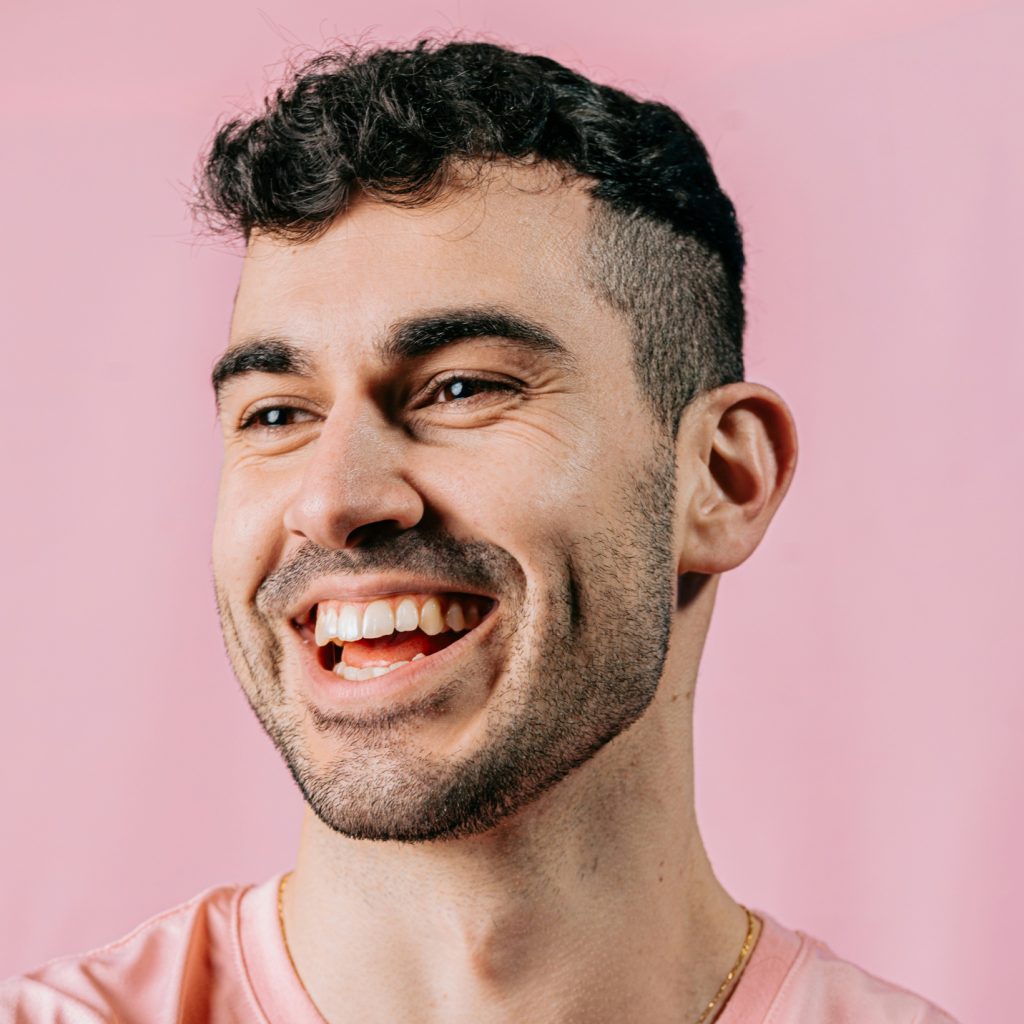
Josh Cameron
Senior MSK Physiotherapist
Latest children's physio journal posts from our experts

admin
The Benefits Of Children’s Physiotherapy
Children's Pysiotherapy FAQs
Does my child need physiotherapy?
If your child is struggling with movement, coordination or posture, or has pain that’s affecting their day-to-day activities or sport, physiotherapy is likely to help. We treat everything from developmental delay and musculoskeletal injuries to longer-term neuromuscular conditions - if you’re not sure, give us a call and we can advise.
What does a physiotherapist do for children?
We assess your child’s strength, flexibility and movement, then build a treatment plan around play, activities and exercises designed to keep them engaged while they recover. We work closely with parents and carers throughout, so everyone understands the plan and how to support it at home.
How quickly can I be seen?
Most new patients are seen within 24–48 hours across our Leeds, Harrogate, Ilkley, Guiseley and Chapel Allerton clinics.
Do I need a GP referral?
No, a GP referral isn’t needed. For anyone under 16, please call the clinic directly to book so we can match your child with the right clinician.
Will my child need an X-ray or scan?
Most children’s musculoskeletal problems don’t need imaging - a thorough assessment is usually enough to reach a diagnosis. Where a scan is needed, we can arrange this quickly through our network of paediatric consultants.
Should my child rest or stay active?
It depends on the condition, but for most growth-related issues like Sever’s disease or Osgood-Schlatter’s, some activity modification rather than complete rest tends to give the best outcome - your physiotherapist will give you specific guidance for your child.
What conditions are treated by paediatric physiotherapy?
Paediatric physiotherapy covers neurological, developmental, and orthopaedic conditions in children up to 18 - from sports injuries and postural problems through to longer-term conditions such as cerebral palsy and juvenile idiopathic arthritis. The aim is always to improve function and help your child be as independent and active as possible.
who we work with